Introduction
Teaching is one of the largest sources of jobs in Pakistan. Every year, government schools, colleges and universities, and thousands of private schools, advertise posts for teachers and lecturers. Teaching also offers something many other jobs do not, which is a clear path from a first job to a senior post, and the respect that comes with the work. This guide explains teaching jobs in simple terms. It describes the main roles, the qualifications and eligibility conditions, where real openings are listed, and how to apply safely. It does not list any specific vacancy, salary or deadline, because those change with every advertisement. Instead, it gives you the knowledge to read any teaching advertisement and judge whether it fits you.
The main teaching roles
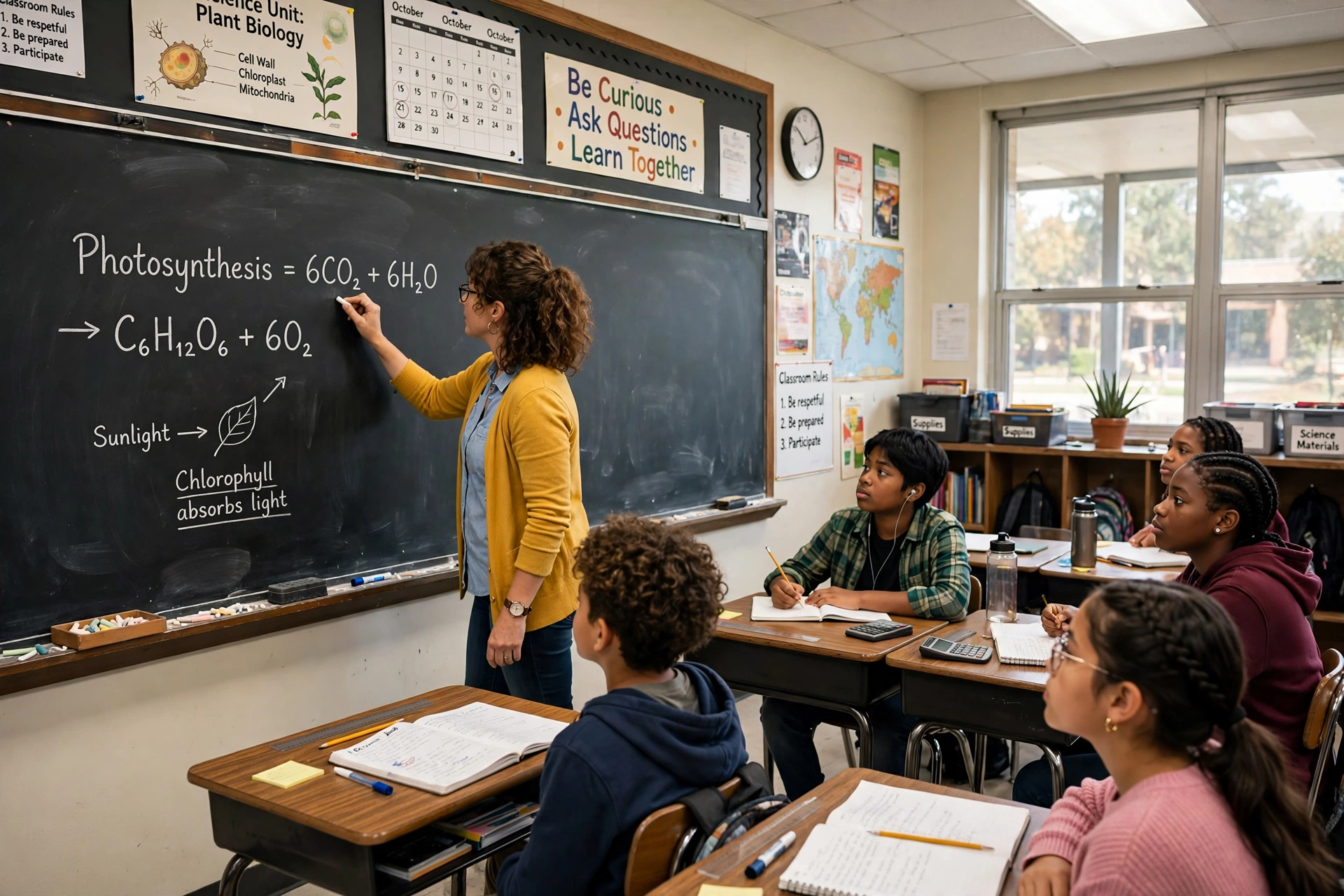
Teaching jobs are not all the same. The role depends on the level you teach, and each level has its own title and qualification. Primary school teachers teach young children, usually from class one to class five. They teach basic subjects such as Urdu, English, mathematics, science and Islamiat. In government schools, these posts are often called Primary School Teacher, or PST. The work needs patience, clear speech and a friendly manner with children. Elementary and middle school teachers teach classes six to eight. They usually teach one or two subjects in more depth. In government schools, these posts are often called Elementary School Teacher, or EST. A teacher at this level needs a good grip on the subject and the ability to keep older children interested. Secondary school teachers teach classes nine and ten, and they prepare students for the board examinations. They teach subjects such as physics, chemistry, biology, mathematics, English and Urdu. In government schools, these posts are often called Secondary School Teacher, or SST. A secondary teacher needs strong subject knowledge, because the examinations test it in detail. Higher secondary and college lecturers teach classes eleven and twelve, and in colleges they teach degree students as well. These posts are often called Lecturer. A lecturer teaches one subject in depth, sets examinations, and guides students who are choosing a career. Colleges and universities also advertise posts for assistant professors, associate professors and professors, which are senior posts for experienced teachers with higher qualifications. There are also specialist teaching roles. Physical training instructors teach sports and physical education. Drawing and art teachers teach drawing and design. Computer teachers teach computer science and information technology. Special education teachers work with children who have disabilities, and they need special training for that work.
Eligibility and qualifications
The qualification for a teaching post depends on the level. For a primary school teacher, a bachelor’s degree with a teaching certificate or diploma is often required. For an elementary or secondary school teacher, a master’s degree in the subject, or a bachelor’s degree with a B.Ed, is often required. For a lecturer in a college, a master’s degree in the subject is usually the minimum, and an M.Phil or PhD helps for senior posts. Age limits also apply. Government teaching posts usually have a minimum and a maximum age, and the age is counted on the closing date of the advertisement. Some posts allow age relaxation for certain candidates, and the advertisement states who qualifies for it. Domicile matters as well. Government school posts are usually advertised by province and district, and you must have the domicile of the area where the post is based. Private schools do not have this condition, but they often prefer teachers who live near the school. Experience helps, but it is not always required. Many teaching posts are open to fresh graduates, and the selection is made through a written test and an interview. For senior posts, such as head teacher or principal, experience is usually required, and the advertisement states how many years are needed.

Where teaching jobs are listed
Government teaching jobs are advertised by the education departments of the provinces, by the public service commissions, and by the testing services that the departments use. The Federal Public Service Commission advertises federal teaching posts. The provincial commissions, PPSC, SPSC, KPPSC and BPSC, advertise provincial teaching posts. The National Jobs Portal also lists many federal teaching vacancies. Private school jobs are advertised in newspapers, on the schools’ own websites, and on well known job boards. Large private school systems advertise regularly, and many of them accept applications through their own websites all year round. Newspapers still matter for teaching jobs. The jobs sections of Jang, Express, Dawn and Nawa-i-Waqt carry teaching advertisements every week, especially when the school year starts or when a new recruitment drive opens. Whatever the source, always check the advertisement against the official website of the department, commission or school before you apply. A real advertisement names the post, the subject, the qualification, the age limit, the number of vacancies and the last date to apply.
How to apply for a teaching job
The steps are similar for most teaching posts. First, read the full advertisement and check that you meet the qualification, age and domicile conditions. Note the last date and the documents you will need. Next, apply through the method named in the advertisement. For government posts, this is usually an online form on the website of the commission or testing service. For private schools, it may be an online form, an email, or a walk in interview at the school. Fill in the form carefully. Your name, date of birth and educational record must match your documents exactly. Upload clear scans of your certificates, your identity card, your domicile and your photographs. Keep a copy of your submitted form and your application number. Then prepare for the test. Most government teaching posts require a written test in the subject you will teach, plus general knowledge and English. Some posts also require a demonstration lesson, in which you teach a short lesson in front of a panel. Practise a short lesson on a topic from your subject, because a good demonstration can make a strong impression.
The selection process
For government teaching posts, selection usually has three stages. First, a written test, which checks your subject knowledge and general ability. Second, an interview, which checks your communication, your confidence and your understanding of teaching. Third, a merit list, which ranks the candidates and fills the posts in order. For private schools, the process is often shorter. A school may call you for an interview and a demonstration lesson, and offer you the post within a few days. Private schools also value experience, references from previous schools, and a good demonstration lesson.
Pay and career growth
Pay for teaching jobs varies by level, by sector and by experience. Government teachers are paid on the basic pay scale for their post, and they receive allowances, annual increments and pension. Private school pay varies widely, from small schools to large school systems, and it often depends on your subject and your experience. Teaching offers a clear career path. A primary teacher can become a senior teacher, then a head teacher, then a principal. A lecturer can become an assistant professor, then an associate professor, then a professor. Further study, such as an M.Phil or a PhD, opens senior posts, and training courses help you move up faster.
Watch out for fake teaching job offers
Teaching job fraud is common, because so many people want these posts. Be careful if an advertisement promises a teaching job without a test, if it asks for money to confirm your selection, or if it only gives a WhatsApp number as contact. Real teaching jobs are advertised by real departments, commissions or schools, and they always have a written test or interview. Never pay anyone for a teaching post, and never share your identity card number or bank details with a person who claims to be from a department.
Conclusion
Teaching jobs offer a stable career, a clear path for growth, and the chance to do work that matters. Whether you want to teach young children in a primary school, to teach a subject in a secondary school, or to lecture in a college, the path is the same. Check your eligibility, find real openings on official sources, apply before the closing date, and prepare well for the test and the demonstration lesson. If you do that, you will give yourself the best chance of starting a teaching career.
تعارف
پاکستان میں تدریس ملازمتوں کا ایک بڑا ذریعہ ہے۔ ہر سال سرکاری اسکول، کالج اور یونیورسٹیاں اور ہزاروں نجی اسکول اساتذہ اور لیکچررز کے لیے اشتہارات دیتے ہیں۔ تدریس میں ترقی کا واضح راستہ اور معاشرے میں عزت بھی ملتی ہے۔ اس مضمون میں تدریس کی ملازمتوں کی اقسام، اہلیت، تعلیمی شرائط اور درست اشتہارات کہاں ملتے ہیں، یہ بتایا گیا ہے۔
تدریس کے اہم عہدے
پرائمری اسکول ٹیچر چھوٹے بچوں کو پڑھاتا ہے۔ ایلیمنٹری اسکول ٹیچر چھٹی سے آٹھویں جماعت تک پڑھاتا ہے۔ سیکنڈری اسکول ٹیچر نویں اور دسویں جماعت کو پڑھاتا ہے اور بورڈ کے امتحانات کی تیاری کراتا ہے۔ لیکچرر گیارہویں اور بارہویں جماعت اور کالج کے طلبہ کو ایک مضمون گہرائی سے پڑھاتا ہے۔ اس کے علاوہ جسمانی تربیت، ڈرائنگ، کمپیوٹر اور خصوصی تعلیم کے اساتذہ بھی ہوتے ہیں۔
اہلیت اور تعلیم
پرائمری ٹیچر کے لیے عام طور پر بیچلر ڈگری اور تدریسی سرٹیفکیٹ درکار ہوتا ہے۔ سیکنڈری ٹیچر کے لیے متعلقہ مضمون میں ماسٹر ڈگری یا بی ایڈ درکار ہوتا ہے۔ لیکچرر کے لیے متعلقہ مضمون میں ماسٹر ڈگری کم از کم شرط ہوتی ہے۔ سرکاری عہدوں کے لیے عمر کی حد اور ڈومیسائل کی شرط بھی ہوتی ہے، جو اشتہار میں لکھی ہوتی ہے۔
ملازمتیں کہاں ملتی ہیں
سرکاری تدریسی ملازمتیں صوبائی محکمہ تعلیم، پبلک سروس کمیشن اور نیشنل جابز پورٹل پر مشتہر ہوتی ہیں۔ نجی اسکولوں کی ملازمتیں اخبارات، اسکولوں کی اپنی ویب سائٹ اور معروف جاب بورڈز پر ملتی ہیں۔ کسی بھی اشتہار کو درخواست دینے سے پہلے متعلقہ محکمے یا اسکول کی سرکاری ویب سائٹ سے ضرور چیک کریں۔
درخواست کیسے دیں
پہلے مکمل اشتہار پڑھیں اور اپنی اہلیت چیک کریں۔ پھر اشتہار میں بتائے گئے طریقے سے درخواست دیں۔ فارم احتیاط سے بھریں اور اپنی معلومات اپنے کاغذات کے مطابق درج کریں۔ درخواست کی کاپی اور درخواست نمبر محفوظ رکھیں۔ پھر ٹیسٹ اور مظاہرے کے سبق کی تیاری کریں، کیونکہ اکثر تدریسی عہدوں کے لیے تحریری ٹیسٹ اور انٹرویو ہوتا ہے۔
احتیاط
تدریسی ملازمتوں میں دھوکہ عام ہے۔ جو اشتہار بغیر ٹیسٹ کے ملازمت کا وعدہ کرے یا ملازمت کی تصدیق کے لیے پیسے مانگے، وہ جعلی ہے۔ کسی کو ملازمت کے لیے پیسے نہ دیں اور اپنا شناختی کارڈ نمبر یا بینک کی تفصیلات کسی کو نہ دیں۔
نتیجہ
تدریسی ملازمت ایک مستحکم پیشہ ہے جس میں ترقی کا واضح راستہ ہے۔ اپنی اہلیت چیک کریں، سرکاری ذرائع سے اصلی اشتہارات تلاش کریں، آخری تاریخ سے پہلے درخواست دیں اور ٹیسٹ کی اچھی تیاری کریں۔
FAQ
Q: What qualification do I need to become a school teacher in Pakistan?
A: It depends on the level. Primary teaching usually needs a bachelor’s degree with a teaching certificate, secondary teaching usually needs a master’s degree in the subject or a B.Ed, and college lecturing usually needs a master’s degree in the subject.
Q: Where are government teaching jobs advertised?
A: By the provincial education departments, the public service commissions such as PPSC, SPSC, KPPSC and BPSC, the Federal Public Service Commission for federal posts, and the National Jobs Portal.
Q: Do I need experience to get a teaching job?
A: Not always. Many teaching posts are open to fresh graduates and selection is made through a written test and an interview. Senior posts such as head teacher or principal usually require experience.